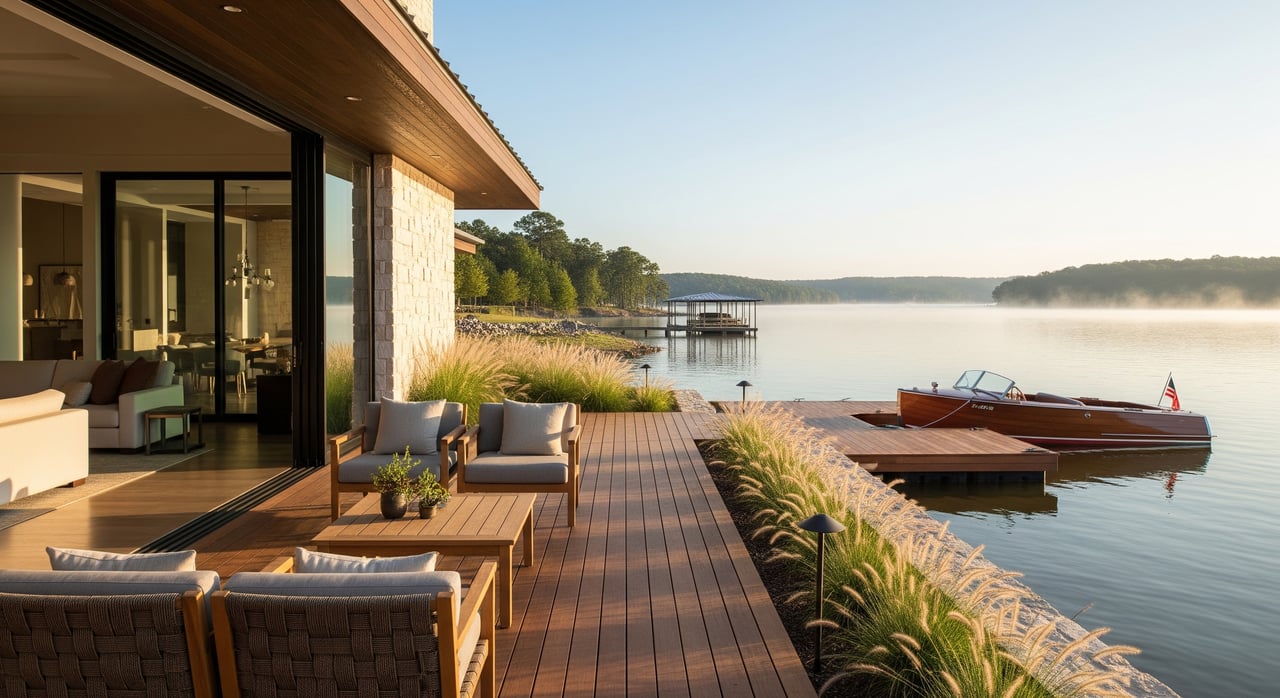
Thinking about trading city noise for morning lake breezes? If Lake Conroe keeps popping up on your radar, you’re not alone. Its blend of boat-friendly water, gated communities, and close-by services makes it a practical choice for retirees, second-home owners, and weekenders from Greater Houston. In this guide, you’ll learn what day-to-day life really looks like, from marinas and golf to HOA and dock rules, plus weekend game plans. Let’s dive in.
Why Lake Conroe works day to day
Lake Conroe sits in Montgomery County, roughly north of Houston, with a large surface area that supports powerboating, sailing, and fishing. Drive times vary with traffic, but plan on about 45 to 60 minutes to many western suburbs and about 60 to 80 minutes to central Houston. That puts regular weekend trips within reach for city residents and remote workers who want a change of pace.
Seasonal patterns matter. Spring and summer are busiest on the water, while hurricane season runs June through November. Heavy rain can affect water levels, shorelines, and boating access. It’s smart to check for any water quality advisories and plan your boating days around weather and crowd levels.
Boating and marinas: daily realities
Full-service marinas around Lake Conroe typically offer long-term slips, fuel, pump-out, basic repairs, and seasonal storage. You’ll also find smaller fuel docks and public ramps for day-use launching, plus private community docks managed by HOAs or yacht clubs. If you plan to keep a boat here, confirm slip availability, parking for your trailer, on-site maintenance, and any seasonal storage needs before you buy.
Boat-to-dine is popular, but dock policies and hours vary by business and season. On busy weekends, call ahead and ask about dock space or reservations. Expect higher boat traffic and slower docking on holidays and peak summer afternoons. For safety, follow Texas boater education and certification requirements, wear PFDs as required, and respect slow or no-wake zones.
Dining, shopping, and healthcare
You can do a quick grocery run or pick up hardware and boat supplies within a short drive of most lake neighborhoods. For hospitals and specialty care, you’ll find options in Conroe and The Woodlands, often 15 to 30 minutes away depending on where you live around the lake. Nightlife and weekly events pop up seasonally, so it’s helpful to check local calendars and chambers for current schedules.
Recreation: golf, tennis, fishing, trails
Communities such as Walden, Bentwater, and April Sound offer on-site amenities like golf and tennis or access to nearby courses and courts. Membership models differ. Some accept outside members, while others prioritize residents. Confirm current guest policies, fees, and facility conditions during your visit.
Fishing is a year-round draw. Lake Conroe supports species like largemouth bass, crappie, and catfish. Follow Texas Parks and Wildlife regulations and any local advisories. For off-water time, explore greenways and parks around the lake and north of it. Trail quality and access vary by neighborhood, so preview your walking or biking routes before you commit.
Community life and events
Many lake neighborhoods offer gated entries, community pools, clubhouses or yacht clubs, and fitness centers. You’ll find card clubs, boating groups, fishing tournaments, and holiday gatherings that make it easy to meet neighbors. Noise and activity levels can spike near public ramps, marinas, and popular coves during peak season. If you prefer quieter evenings, tour at different times of the week to find your best fit.
HOA, docks, and ownership basics
Buying on a lake adds a few important steps. The goal is to get everything in writing, understand how docks are managed, and confirm insurance and utilities early.
What to review in the HOA package
Request the full HOA package, including CC&Rs, bylaws, rules, financials, and recent meeting minutes. Pay close attention to:
- Dues and what they cover, including shoreline or dock maintenance and reserves.
- Architectural controls around colors, roof materials, dock design, and tree removal.
- Boat and dock rules, including slip ownership vs. lease, guest use, and overnight limits.
- Rental policies, including minimum stays, any caps, and registration requirements.
- Pet, parking, and guest rules, plus the history of special assessments and reserve studies.
Dock ownership and permits
Docks may be private and homeowner-maintained or managed through a community or leased slip. Verify waitlists, transfer rules, and maintenance responsibilities. Shoreline stabilization, bulkheads, and any dock work often require permits from county or state agencies and potentially the lake authority. Ask for past permit records and confirm that the structure meets current standards.
Include a marine or dock inspection in your due diligence. Check pilings, decking, electrical at the dock, lighting, and water depth at the end of the dock. Ask about seasonal depth changes and any dredging history along the shoreline.
Insurance, flood risk, and utilities
Some lakefront properties sit within FEMA flood zones. Request the flood map designation and any available elevation certificates. Lenders may require flood insurance even in lower-risk areas. Expect higher premiums for waterfront homes, and ask your insurer about any construction requirements.
Utilities can vary. Some neighborhoods use municipal water and sewer, while others rely on septic systems. Verify what serves the property, recent maintenance records, and future upgrade plans. Full-time residents should also review evacuation routes, emergency response times, and any local storm or flood history.
Inspection checklist for lakefront homes
Use this quick list during showings and inspections:
- Dock and boat lift: structural condition, electrical, permits, and recent repairs.
- Bulkhead and shoreline: erosion, stabilization work, vegetation, and riprap.
- Water depth at dock: seasonal variation and dredging history.
- Septic or sewer: age, permits, and recent service notes.
- Roof and drainage: gutters, grading, and any sign of past flooding.
- HOA documents: rules for docks and rentals, financials, and reserve study.
- Insurance and flood: flood zone status and current insurance quotes.
- Noise and activity: visit weekday morning and weekend afternoon or evening.
Sample weekend itineraries
Here are simple, real-world templates to help you picture life on the lake.
Relaxed retiree weekend
- Morning: Leisurely breakfast at a neighborhood spot, then a walk or a light fitness class at the clubhouse.
- Midday: Slow pontoon cruise with birdwatching and a dockside lunch.
- Evening: Clubhouse event, a casual card game, or sunset on the porch.
Active second-home owner
- Morning: Early tee time at the community course.
- Midday: Lunch at the grill, then a tennis clinic or match.
- Late afternoon: Quick boat ride for a swim or a few casts, followed by dinner ashore.
Houston weekender
- Friday night: Pull into a reserved marina slip and unwind with a nightcap.
- Saturday: Breakfast at the marina café, a full day of cruising or watersports, and a dockside lunch. Relax at sunset with dinner onshore.
- Sunday: Easy morning walk, slow cruise to the ramp, and a late-afternoon departure.
Practical weekend tips
- Book slips and restaurant dock space ahead during summer.
- Fuel up early and carry extra provisions and a basic boating first-aid kit.
- Check weather and any lake advisories before you launch.
- If renting your home, confirm all HOA registration and minimum-stay rules.
Smart next steps before you buy
- Tour Walden, Bentwater, and April Sound to compare amenity access, HOA rules, and community vibe. Visit on a weekday and a peak weekend to gauge traffic and noise.
- Speak with marinas about slip availability and seasonal storage. Ask about parking and on-site maintenance.
- Review boater education requirements and local safety rules so you know what to expect before opening day.
- Pull FEMA flood maps and request any elevation certificates for properties you like. Start insurance conversations early to budget accurately.
- Ask for the full HOA package and any recent reserve studies or special assessment history. Confirm rental policies if you plan occasional short-term rentals.
If you want a local, boutique-level guide who knows the North Houston corridor and the lake communities, connect with Kathy Sexton to map the right neighborhood, dock plan, and due diligence steps for your goals.
FAQs
How far is Lake Conroe from Houston for weekly commutes?
- Plan about 45 to 60 minutes to many western suburbs and about 60 to 80 minutes to central Houston, depending on traffic.
What boating rules should new owners know on Lake Conroe?
- Texas boater education and certification rules apply by age, along with required PFD use and slow or no-wake zones where posted.
Do Walden, Bentwater, and April Sound include golf and tennis?
- These communities offer on-site facilities or access to nearby options, but membership models and guest policies vary by community.
What are common HOA items to confirm before buying lakefront?
- Review dues and reserves, dock and slip rules, architectural controls, rental policies, parking and pet rules, and any special assessments.
Are docks usually private or managed by the community?
- You’ll find both private homeowner-maintained docks and community or leased slips; verify waitlists, transfer rules, and maintenance duties.
What should I check for flood and insurance on a lake home?
- Confirm FEMA flood zone status, request any elevation certificates, and get insurance quotes early since waterfront premiums can be higher.